
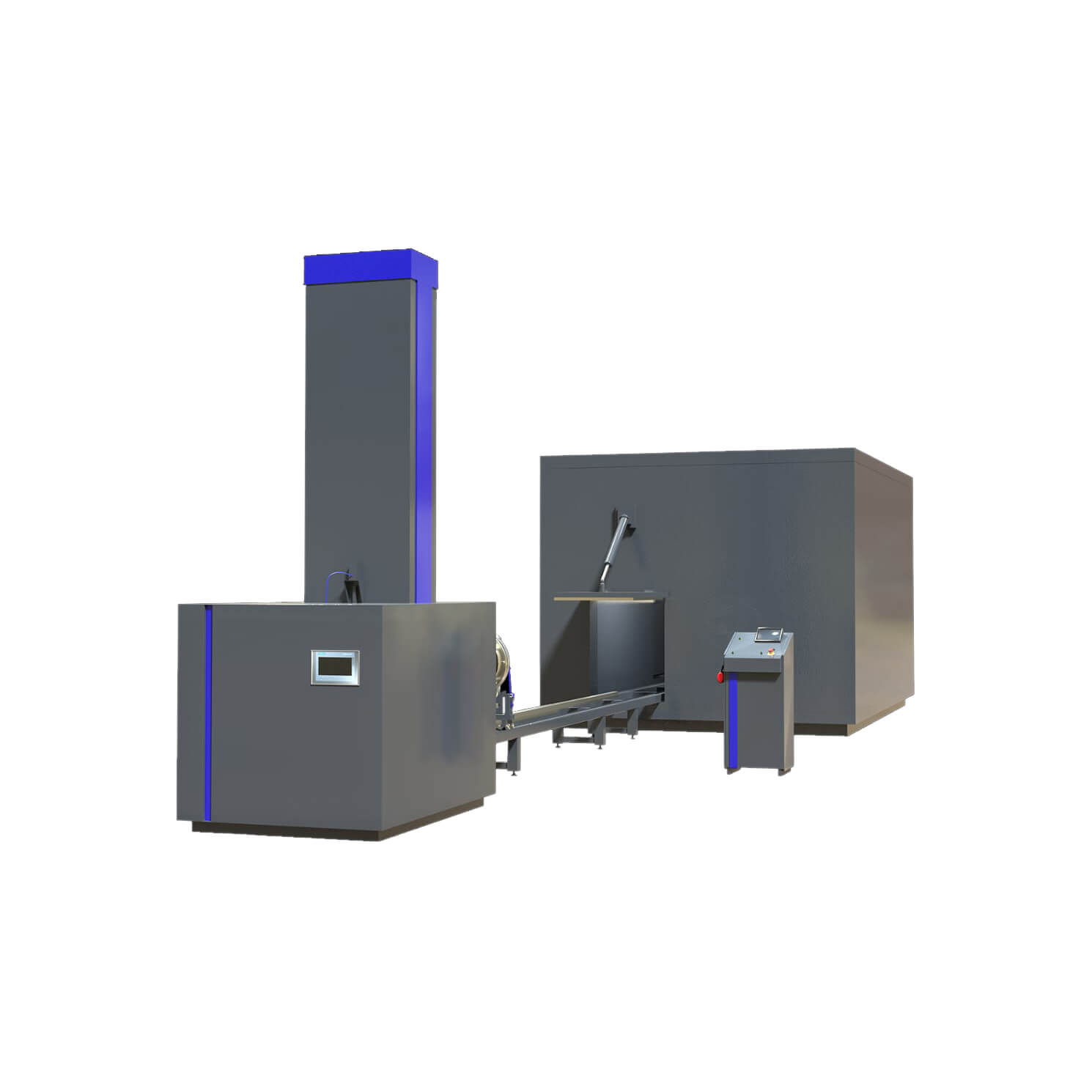
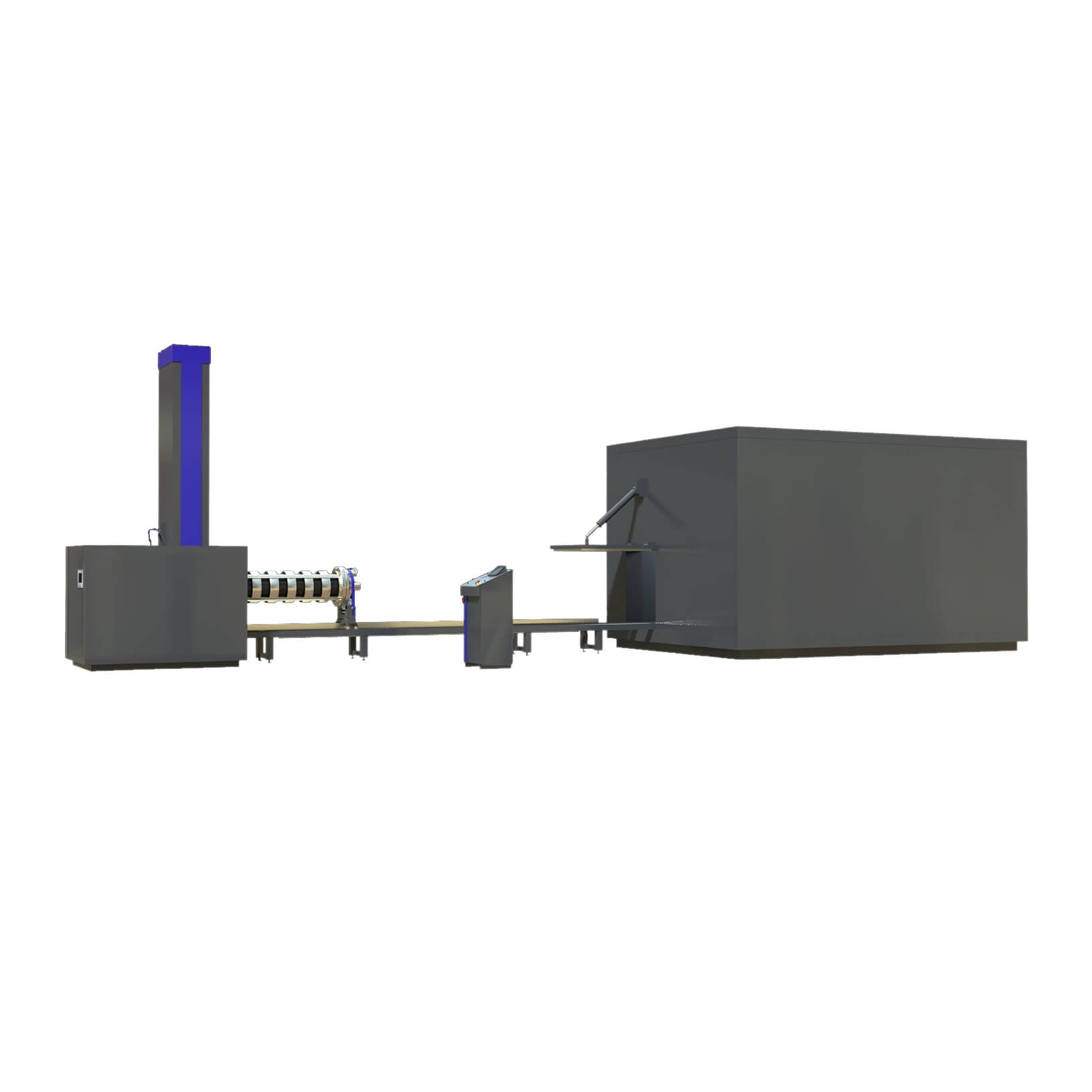
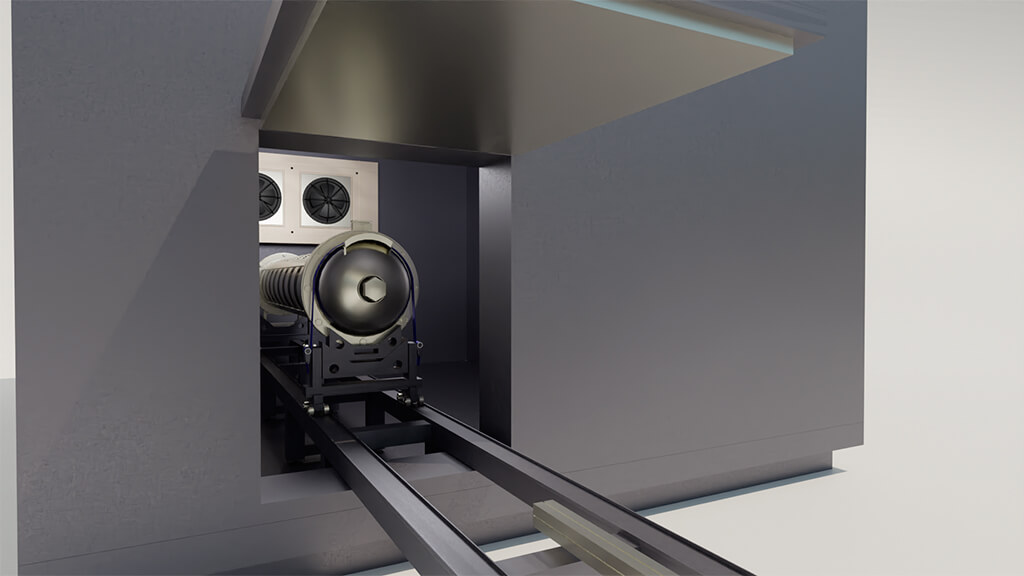
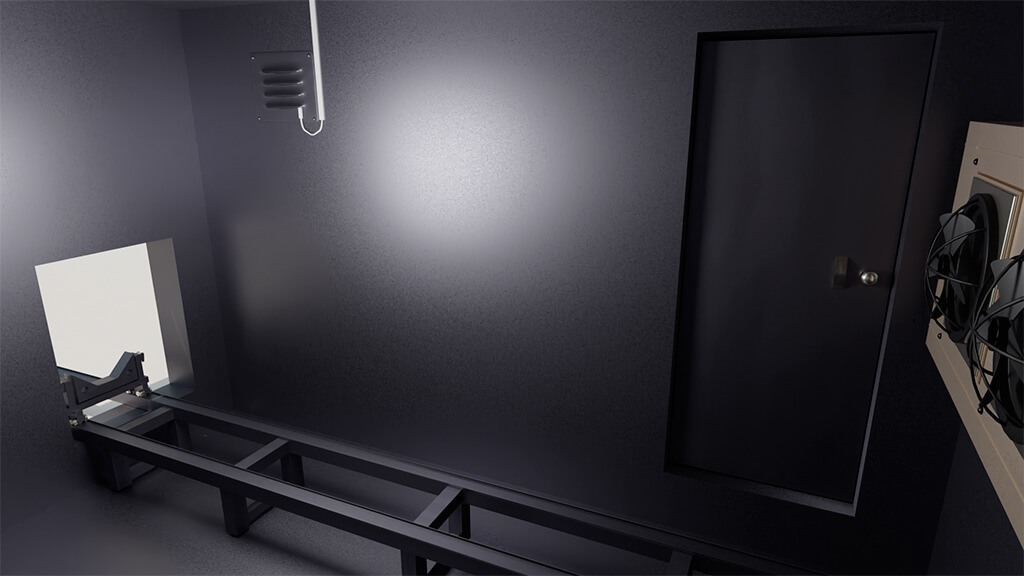

Bayerteq Rapid Crack Propagation S4 Tester – RCP Series (ISO 13477)
- Scientific Rapid Crack Propagation (RCP) S4 testing machine for evaluating thermoplastics pipes under internal gas pressure
- Full compliance with ISO 13477 (Small-Scale Steady-State S4 Test method)
- Supports pipe diameters up to Ø 250 mm, Ø 315 mm, and Ø 500 mm
- Striker impact speeds selectable at 10.0, 15.0, 20.0 m/s or adjustable from 5.0 to 15.0 m/s in 0.5 m/s steps (±0.5 m/s accuracy)
- Nitrogen gas pressurization up to 250 bar with Class 0.5 pressure control precision
- Includes optional automated thermal conditioning chamber reaching -30 °C within 10 minutes with pneumatic doors
Request a quote for this product
The rapid crack propagation tester (RCP S4 Series) developed by Bayerteq is a high-precision scientific testing apparatus engineered for determining the critical pressure and critical temperature thresholds of thermoplastic piping systems subjected to rapid crack propagation. Operating in strict conformity with international standards including ISO 13477, this instrument performs the standardized Small-Scale Steady-State (S4) test to guarantee catastrophic brittle fracture prevention in pressurized gas and water pipelines.
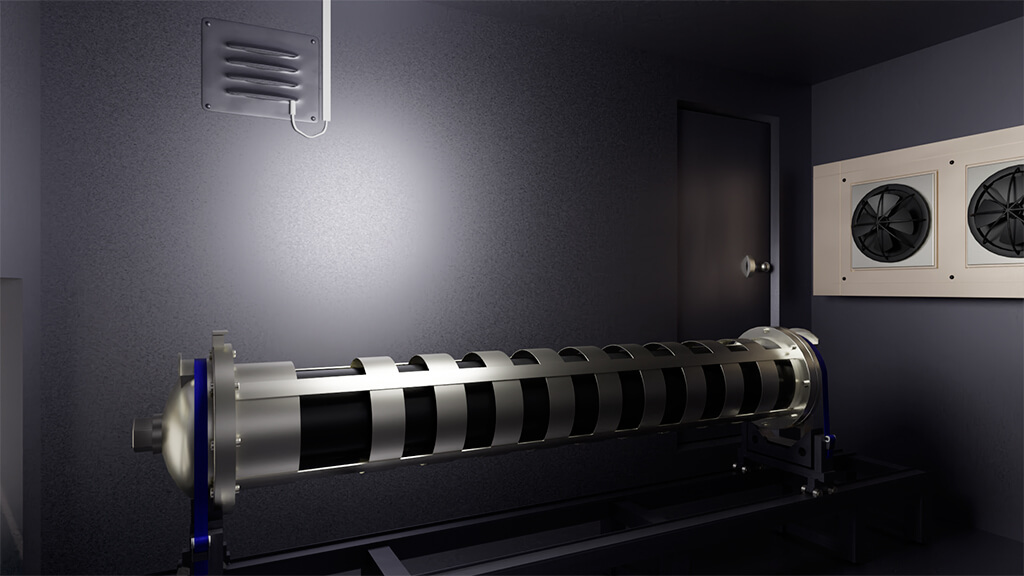
When high-pressure gas or fluid pipelines experience severe surface impact or localized stress concentration, a brittle crack can propagate axially along the pipe wall at speeds exceeding several hundred meters per second. The Bayerteq rapid crack propagation tester replicates these dynamic fracture mechanics under laboratory conditions by initiating high-velocity impact on internally pressurized, temperature-conditioned pipe specimens equipped with internal baffle discs.
Rapid Crack Propagation Tester Engineering & S4 Test Mechanics
The Bayerteq RCP system incorporates advanced kinetic energy conversion, automated specimen handling, and multi-layer shock isolation:
- Pneumatic Kinetic Energy Storage Drive: Converts motor-driven elastic energy into high-velocity kinetic drive force. Features three calibrated pre-set striker speeds (10.0 m/s, 15.0 m/s, and 20.0 m/s) and programmable speeds from 5.0 m/s to 15.0 m/s in fine 0.5 m/s increments, tracked via optical photocells with ±0.5 m/s accuracy.
- High-Pressure Nitrogen System (Up to 250 Bar): Class 0.5 digital pressure transducers deliver precise specimen pre-charging with nitrogen gas, recreating operational stress distributions in PE 100, PE 100-RC, and PVC piping.
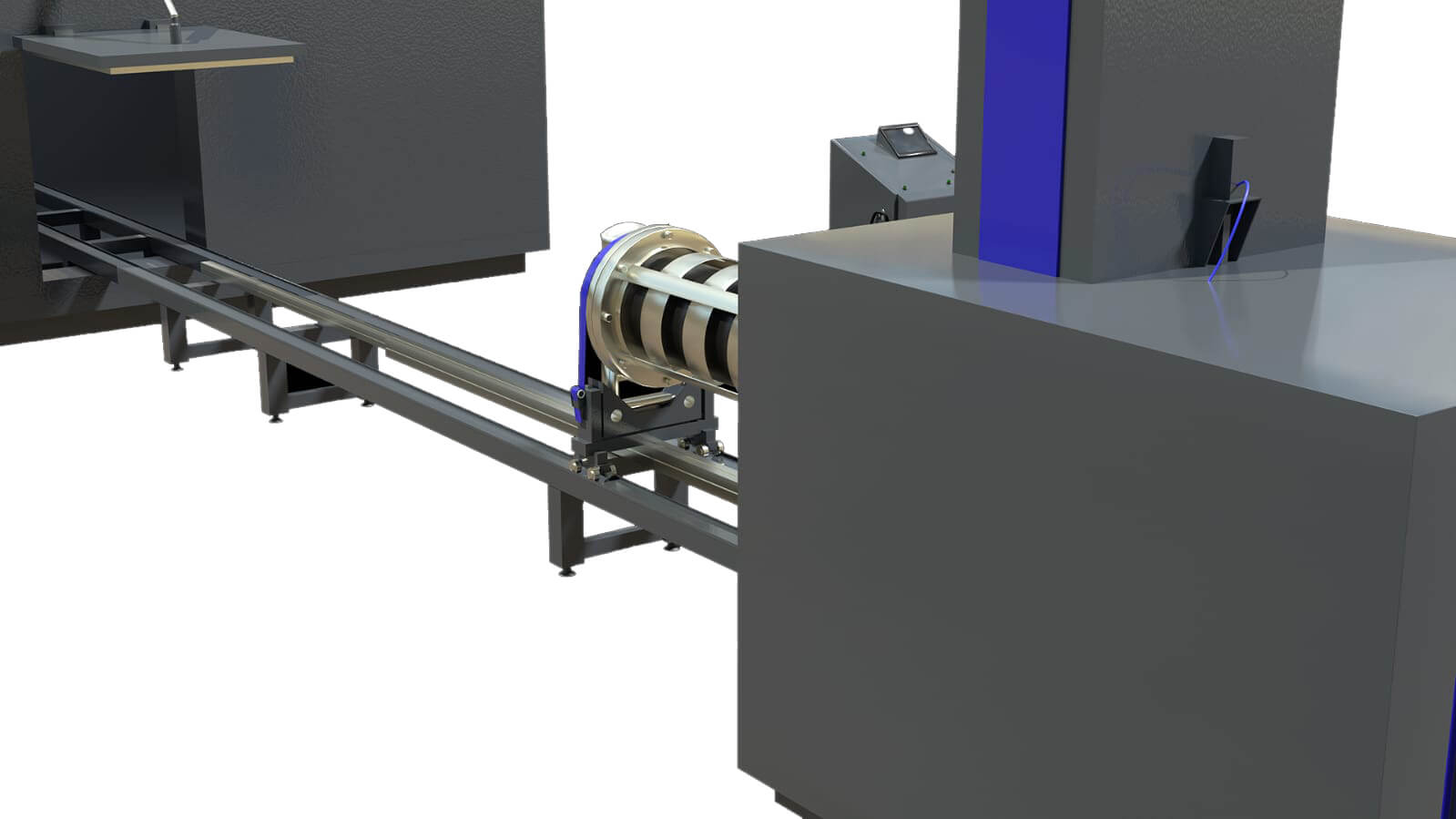
- Quick-Shift Automatic Sample Loading: Ergonomic external guide rails (3,000 mm span) and quick-disconnect fluid couplings reduce operator preparation time and guarantee seamless alignment between the internal baffle chain and external containment cages.
- Intelligent Safety Interlock System: Automatic sensors verify sample positioning and striker blade profile; the release mechanism remains physically locked until the specimen is securely clamped in the exact test coordinates.
- Rapid Conditioning Chamber Option: Features a high-capacity refrigeration circuit capable of cooling pipe specimens down to -30 °C within 10 minutes, complete with pneumatic doors for zero-delay sample loading.
A stand-alone PLC controller with a vibrant color touchscreen records impact velocity, crack arrest/propagation length, internal pressure curves, and thermal history for comprehensive test validation.
Bayerteq RCP S4 Series – Technical Specifications
| Parameter | Specification Details |
|---|---|
| Applicable Standard | ISO 13477 (Small-Scale Steady-State S4 Test for Thermoplastics Pipes) |
| Specimen Diameter Capacity | Model RCP-250: ≤ Ø 250 mm Model RCP-315: ≤ Ø 315 mm Model RCP-500: ≤ Ø 500 mm |
| Striker Impact Speeds | 3 Fixed Speeds: 10.0 m/s, 15.0 m/s, 20.0 m/s Programmable Range: 5.0 m/s to 15.0 m/s in intervals of 0.5 m/s |
| Impact Velocity Accuracy | ±0.5 m/s (Measured by high-speed precision photocell array) |
| Pressurization Medium | Nitrogen gas (N2, user supplied) |
| Internal Pressure Range | Up to 250 bar (Class 0.5 measurement grade accuracy) |
| Energy Storage & Release | Motor-driven pneumatic elastic-to-kinetic energy accumulator; pneumatic blade release valve |
| Shock Isolation Architecture | Heavy rigid reaction frame with multi-stage dampening buffers protecting controller electronics |
| Control & Display Console | Stand-alone console with industrial PLC, high-resolution color touchscreen, USB export port |
| Sample Handling & Positioning | Quick-shift automated guide rail carriage (3,000 × 400 × 80 mm) with quick couplers |
| Compressed Air Requirements | 3 – 4 bar supply pressure via 3/8" quick couplers |
| Electrical & Enclosure Rating | IP55 environmental protection, CE compliant |
| Physical Dimensions & Weight | Base Unit: 850 × 720 × 2,500 mm (420 kg) External Guide Rail: 3,000 × 400 × 80 mm (120 kg) Stand-alone Controller: 450 × 500 × 1,400 mm (50 kg) |
| Conditioning Chamber (Optional) | Cools down to -30 °C within 10 min; pneumatic auto-doors; independent anti-freezing rails |
Key Operational & Engineering Advantages
Precision Calibrated Impact Velocities
Provides three preset standard velocities (10, 15, 20 m/s) and fine programmable adjustments from 5 to 15 m/s, tracked by optical sensors with ±0.5 m/s accuracy.
Multi-Buffer Shock Dissipation
Massive rigid frame incorporates multi-tier damping buffers that isolate the electronic instrumentation and PLC controller from severe impact vibrations.
Automatic Safety Interlock System
Prevents striker release unless the specimen is locked in the precise test position with the verified blade profile matching the pipe wall thickness.
High-Speed -30 °C Thermal Chamber
Dedicated conditioning chamber pulls down to -30 °C in under 10 minutes, featuring pneumatic doors and non-freezing delivery rails for rapid specimen transfer.
Quick-Shift Sample Loading
Integrated 3-meter external rail track allows technicians to assemble internal baffles and end plugs outside the machine, sliding the assembly into place in seconds.
Comprehensive Touchscreen Data
Displays pre-treatment duration, internal nitrogen pressure, striker velocity, crack propagation distance, and test temperature with instant USB export.
System Modules & Optional Tooling
1. Machine Diameter Capacities
Frames tailored for maximum outer diameters of Ø 250 mm, Ø 315 mm, or Ø 500 mm with matching external guide tracks.
2. Internal Baffle Disc Chains
Standard-compliant internal baffle sets designed per ISO 13477 to prevent gas decompression wave interference ahead of the crack tip.
3. High-Efficiency -30 °C Chamber
Pre-conditioning freezer unit with pneumatic automated doors, high-density insulation, and digital temperature profile programmer.
4. Striker Blade Geometries
Hardened tool steel striker blades conforming to ISO 13477 dimensions tailored to specific pipe SDR classes and wall thicknesses.
Industry Standards & Practical Applications
The Bayerteq RCP S4 Tester is essential infrastructure for pipe resin producers, extrusion plants, and international gas certification bodies:
- Critical Pressure ($p_c$) Determination (ISO 13477): Establishing the threshold gas pressure below which crack propagation is arrested and above which rapid crack propagation occurs at specified temperatures (0 °C or sub-zero).
- Critical Temperature ($T_c$) Determination: Identifying the transition temperature where ductile crack arrest shifts to catastrophic brittle propagation.
- High-Density Polyethylene Gas Piping (PE 100 & PE 100-RC): Mandatory certification testing for natural gas distribution pipes up to Ø 500 mm.
- Hydrogen-Ready Pipeline Validation: Assessing fracture toughness and crack arrest capabilities in polymer pipes conveying pressurized hydrogen-methane blends.
- Raw Material Resin Formulation Screening: Bimodal HDPE and high-performance polymer resin characterization during catalyst and polymer formulation R&D.